

Why packing decides whether an order feels professional
CNC tooling accessories look simple on a packing list, but they are not simple in a container or courier box. A mixed shipment may include ER collets, CNC tool holders, drill chuck arbors, pull studs, nuts, spanners, boring heads, live centers, and small machine tool accessories. Some parts are small and easy to miscount. Some are dense and put high pressure on cartons. Some have precision tapers, threads, bearing assemblies, or ground surfaces that should not rub against other metal parts during transport.
For a distributor, packing quality affects receiving speed, resale presentation, and customer confidence. If model labels are unclear, the warehouse has to open each inner box and sort again. If cartons are too heavy, they are easier to break during handling. If the surface protection is weak, a good product can arrive with rust marks after a humid sea shipment. ZSCNC treats packing as part of supply work, not as the last small step after production.
How ZSCNC plans export packing before shipment
Before packing, we check the order structure first. A single model order is usually packed by batch and carton. A mixed distributor order needs more separation. For example, ER32 collets, BT tool holders, pull studs, and ER nuts should not be placed together without clear grouping, because the buyer may have different shelf locations or resale labels for each family.
Our packing plan normally considers product type, individual weight, quantity per carton, carton mark, pallet size, shipment method, and the buyer's receiving requirements. Common models can often be prepared more quickly because packaging sizes, labels, and handling methods are already familiar. Special products or OEM packing may need extra confirmation, especially when the buyer needs private label boxes, barcode labels, model stickers, or neutral cartons.
This is also where our cost advantage matters. Instead of pushing one expensive packaging method for every buyer, we match the packing level to the order. A small urgent sample order may use stronger courier packaging. A regular distributor replenishment order may use efficient carton and pallet packing. A branded order may use OEM inner boxes and outer cartons. The goal is practical: protect the goods, keep the receiving process clear, and avoid unnecessary packing cost.
Rust protection for precision metal parts
Many CNC tooling accessories are steel parts with ground surfaces, threads, bores, tapers, or bearing areas. During export, parts may face humidity, temperature changes, and long transit time. For this reason, rust prevention is not a decorative detail. It is a basic requirement for tool holders, collets, arbors, pull studs, live centers, and similar metal accessories.
Depending on the product and order requirement, ZSCNC can use protective oil, plastic wrapping, sealed bags, moisture control, or other anti-rust packing methods. For precision surfaces, the aim is to reduce metal-to-metal contact and keep the surface condition stable until the buyer receives the goods. For mixed shipments, we pay attention to separating heavier items from smaller accessories so that a carton does not become damaged internally during movement.
Buyers can also tell us the target market and transport route. A short air shipment has different risk from a long sea shipment. A dry inland destination is different from a humid coastal warehouse. When we know this early, we can choose a more suitable packing method instead of guessing after the goods are ready.
Cartons, pallets, and loading photos
Good carton planning starts with weight. CNC tooling accessories are compact, but many are heavy for their size. If too many holders, chucks, or arbors are placed in one carton, the outer carton may look fine when it leaves the warehouse but fail during transfer. ZSCNC controls carton weight according to the product mix and shipment method. Heavier goods are packed with stronger support or moved to palletized shipment where needed.
For sea freight, pallet packing helps reduce scattered carton handling. If wood packaging is required by the destination market, the buyer should confirm local requirements early. For many countries, treated and marked wood packaging is used to meet plant health rules for international trade. If the buyer has a freight forwarder, Amazon-style warehouse, distributor warehouse, or branch address, we can prepare carton marks and pallet labels according to the receiving instructions.
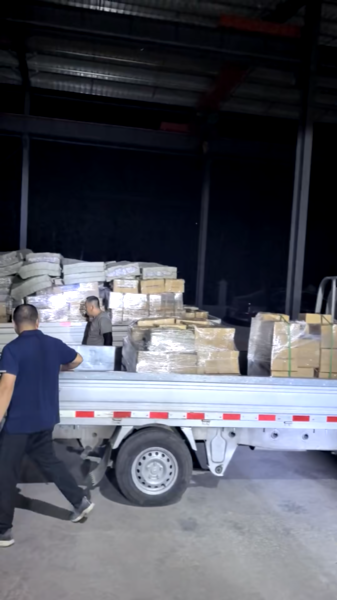
Before shipment, buyers often ask for packing photos. We can provide photos of inner packing, cartons, labels, pallet preparation, or loading status when requested. These photos are useful for overseas buyers because they can check quantity grouping, label information, and shipment readiness before the goods leave China.
OEM and neutral packing for distributors
Many B2B buyers do not want every shipment to look the same. Some need ZSCNC brand packing. Some need neutral packing. Some want their own brand, item code, barcode, color label, or carton mark. We can support these requirements when the buyer sends artwork, product code rules, label size, language requirements, and packing examples.
For first orders, we suggest keeping OEM packing simple. Start with accurate model labels, clear carton marks, and stable inner packing. After the first shipment is received smoothly, the buyer can upgrade to printed boxes, barcode labels, instruction stickers, or market-specific packaging. This keeps the first cooperation faster and avoids spending money on packaging before the model list is stable.
Our price advantage does not mean loose packing. It means we help buyers spend money where it is useful. A distributor may need attractive inner boxes for retail-facing products, but ordinary warehouse cartons for bulk parts. A machine shop may care more about fast delivery and clear model labels than printed packaging. ZSCNC can quote both options so the buyer can choose based on sales channel and budget.
What buyers should send before packing
The best packing result usually comes from clear information at the quotation stage. If the buyer sends model, quantity, destination, shipment method, packing preference, label requirements, and any special warehouse rules, we can prepare a more accurate quotation and delivery plan. This also helps us separate stock items from items that need production or special packing.
For repeat orders, we recommend keeping a standard packing file. It can include model names, buyer item codes, inner box rules, carton mark format, pallet requirement, photo requirement, and document contact person. Once this file is confirmed, repeat shipments become easier. Buyers save communication time, and ZSCNC can prepare goods faster.
If you are sourcing CNC tooling accessories for distribution, send your current model list and target packing style. We can review which items are common stock, which items need production, and which packing method gives a practical balance between cost, delivery time, and product protection.