

Product photos and sourcing references
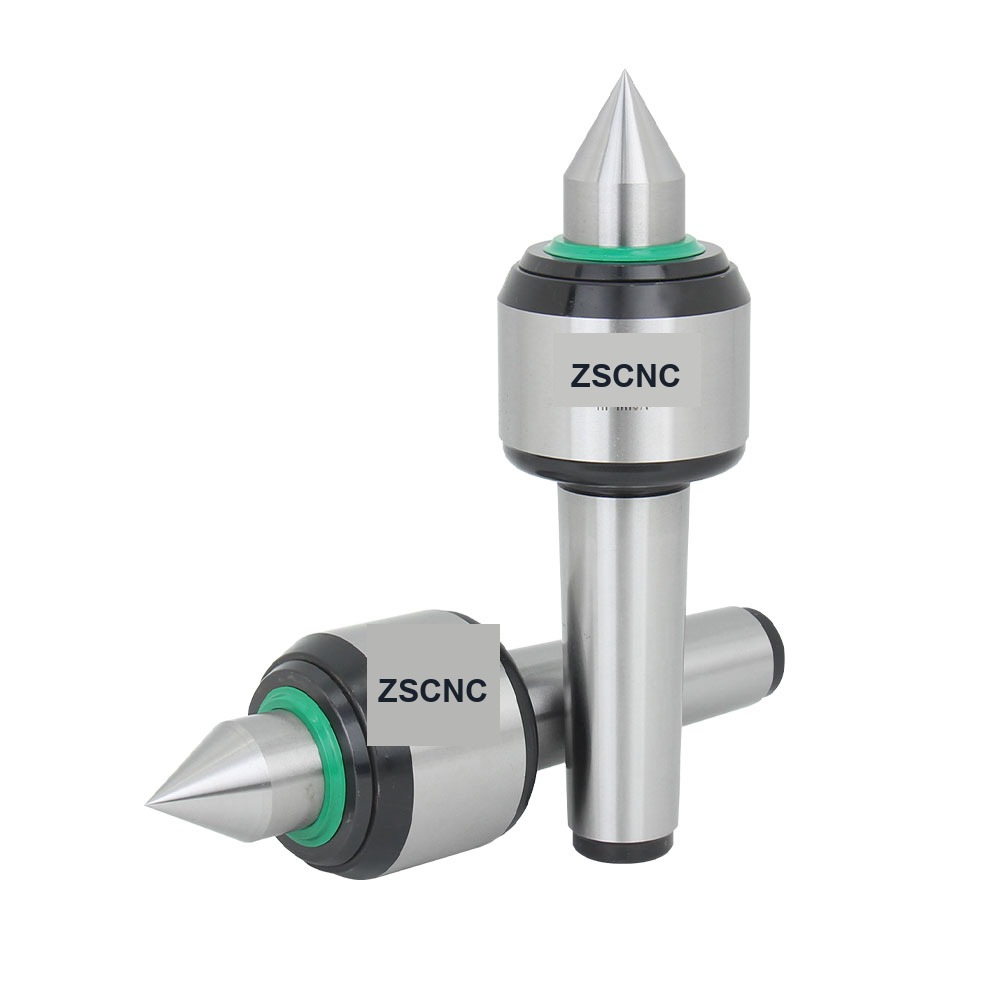
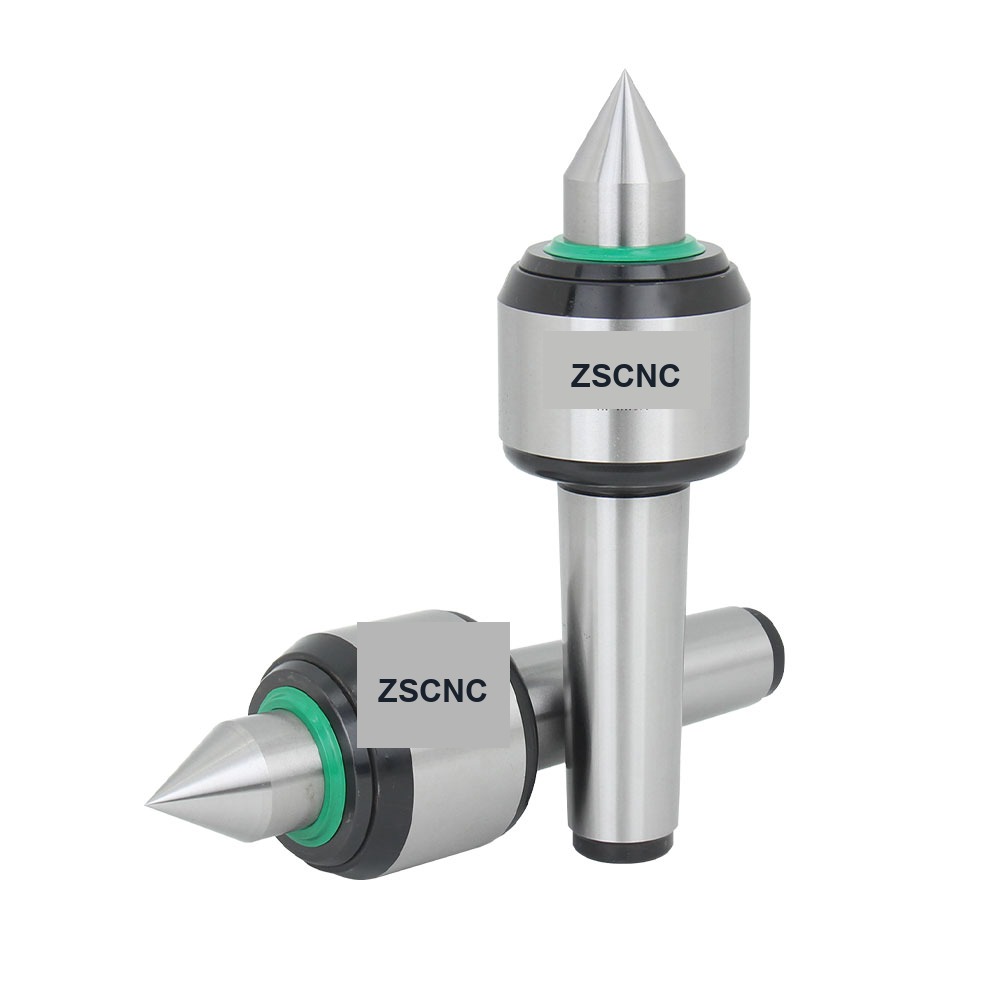

Confirm the Morse taper before quoting
A live center must match the lathe tailstock taper. Common inquiries include MT2, MT3, MT4, MT5 and MT6. Industry selection guides usually start with the machine taper because the center cannot seat correctly if the taper is wrong. A wrong taper is not a small mistake; it can make the order unusable.
The RFQ should state the Morse taper, point style, duty level and application. Photos of the old center, tailstock marking or machine nameplate can help when the buyer is not sure. If the customer says only "lathe live center", ZSCNC will normally ask for the taper first before final quotation.
For distributors, separating MT3, MT4 and MT5 clearly is important. These models can look similar in a product photo, but they cannot be mixed in warehouse packing. We can prepare model labels and carton marks so the receiving warehouse can separate sizes quickly.
If the buyer is replacing an old live center, the most useful information is the full marking on the taper, the body length, the point form and the machine model. This prevents a quotation from being based only on a product photo.
Choose duty level by workpiece load and cutting condition
A small shaft turning job does not need the same live center as a heavy roll or pipe support job. Standard live centers suit general turning. Heavy duty, extra heavy duty or high-load designs are selected when workpiece weight, thrust load, cutting force and continuous machining time are higher.
Live center suppliers often divide products by workholding need: general turning, CNC high-speed turning, grinding, large parts and specialty work. The buyer should not choose only by the outside diameter or by the lowest price. Workpiece weight, tailstock pressure, expected speed and machining time all affect the correct choice.
For heavy parts, bearing structure and rigidity become more important. For high-speed work, heat, lubrication and balance matter more. For repair shops, a general-purpose live center may be enough if the taper and point style match the machine. For production buyers, it is better to tell us whether the center is used for rough turning, finishing, grinding support, pipe support or continuous CNC work.
This is also where ZSCNC's price advantage should be compared correctly. A cheaper live center that is too light for the workpiece can fail early. A correct mixed order of standard, heavy duty and bull nose centers often gives a better total cost than buying one low-price style for every job.
Point style changes the application
Standard 60-degree points are common for shaft support. Long points help when tool clearance is limited. Carbide tipped points can improve wear resistance in harder or higher-use conditions. Interchangeable point live centers are useful when the buyer needs several point forms for different workpieces.
Bull nose and pipe nose live centers support pipe, tube and hollow workpieces. For these, the nose diameter, included angle and workpiece opening matter. A bull nose center should not be selected only by Morse taper; the workpiece size and contact form must also match.
If the buyer needs to machine close to the end of a small shaft, body diameter and point projection can matter. A bulky live center may block tool access even if the taper is correct. If there is a drawing or photo of the workpiece end, send it with the RFQ.
For hollow workpieces, tell us the inner diameter and contact area. For hardened or abrasive contact conditions, carbide tip or replaceable point options may be more practical for repeat use.
Bearings, sealing and waterproof styles affect service life
Live centers rotate with the workpiece, so bearing quality and sealing design matter. In coolant-heavy CNC turning, chips and coolant can shorten bearing life if the seal is weak. Waterproof or sealed styles are useful when coolant, chips and long production time are part of the job.
For a simple manual lathe, a standard bearing design may be acceptable. For CNC production, the buyer should consider rotation speed, load rating, sealing, heat and runout expectations. If the application is high RPM, heavy duty or continuous production, send those details before quotation.
Waterproof does not mean every live center is suitable for every coolant condition. The RFQ should tell us whether the part is used with flood coolant, chips, oil mist, grinding dust or dry turning. That helps us quote a style that matches the environment rather than just the taper.
Quality points that matter in export orders
Live center quality is not judged by appearance only. Buyers should care about taper fit, bearing rotation, point style, runout request, sealing condition, surface finish, model marking and packing separation. The center should rotate smoothly, seat properly and arrive protected from impact during shipment.
For distributor orders, ZSCNC can help separate MT3, MT4 and MT5 models, add labels, keep packing notes and prepare neutral or OEM boxes. Before shipment, practical checks include visible finish, model marking, taper protection, point protection, quantity separation and carton labeling.
Our quality advantage is practical: we focus on the details that cause export complaints, such as wrong taper mixed into a carton, unprotected points, unclear model stickers, rough visible finish or packing that allows impact damage. For repeat customers, we keep the model list and packing preference so the next order is easier to confirm.
Combine live centers with other lathe and CNC accessories
Live centers often ship with tool holders, drill chuck arbors, drill sleeves, boring heads, ER collets, machine vises and other machine accessories. Mixed RFQs help buyers reduce communication time and compare total cost more clearly.
ZSCNC's price advantage is stronger when buyers combine common CNC tooling accessories in one inquiry. Our delivery advantage comes from repeat model lists, stable accessory groups and faster confirmation of common models. Our quality advantage comes from checking model, taper, visible finish and packing before export shipment.
Send the taper list, duty level, quantity, target application and packing request. ZSCNC will help confirm the quotation before shipment.
Common product groups we can quote
MT2, MT3, MT4 and MT5 live centers for general shaft turning and repair workshops.
Used for larger shafts, rolls and higher load turning conditions.
Used for pipe, tube and hollow workpiece support.
Chosen when coolant, chips, point wear, surface condition or multiple point forms matter.
RFQ checklist
To quote faster and avoid mismatch, send these details if available:
Recommended RFQ details
- Morse taper
- Point style
- Duty level
- Workpiece load
- Operating speed
- Standard, bull nose or carbide point
- Pipe or solid shaft application
- Coolant or waterproof requirement
- Runout request
- Quantity by model
- Packing request
If you only have photos, old labels or a previous supplier model, send them as well. Clear photos often shorten the matching process.
Useful internal pages for buyers
Use these pages when preparing a combined machine tool accessory RFQ:
Send RFQ
Need CNC live center supplier support?
Send your model list, quantity, photos, old markings, target market and packing request. ZSCNC will help confirm the model combination, quote cost-efficient options and prepare the order for export shipment.
WhatsApp: +86 18254771877 / E-mail: shandong@zs-cnc.com