

Start with the machine table and workpiece
Machine vises and clamping kits are both workholding products, but they solve different setup problems. A vise is normally used when the shop needs repeatable clamping around a part. A steel clamping kit is used with T-slots, studs, step blocks and clamps to hold plates, fixtures, odd shapes or larger workpieces.
For a vise, buyers should confirm jaw width, jaw opening, vise height, overall length, mounting slot, base type and accuracy requirement. For a clamping kit, buyers should confirm T-slot size, thread size, metric or inch system, piece count, stud lengths and box or rack style. Piece count alone does not tell whether the kit will fit the machine.
When the buyer is unsure, a table photo, old vise photo, old T-nut photo or machine model can help ZSCNC prepare a safer quotation.
Choose vise type by accuracy and repeat use
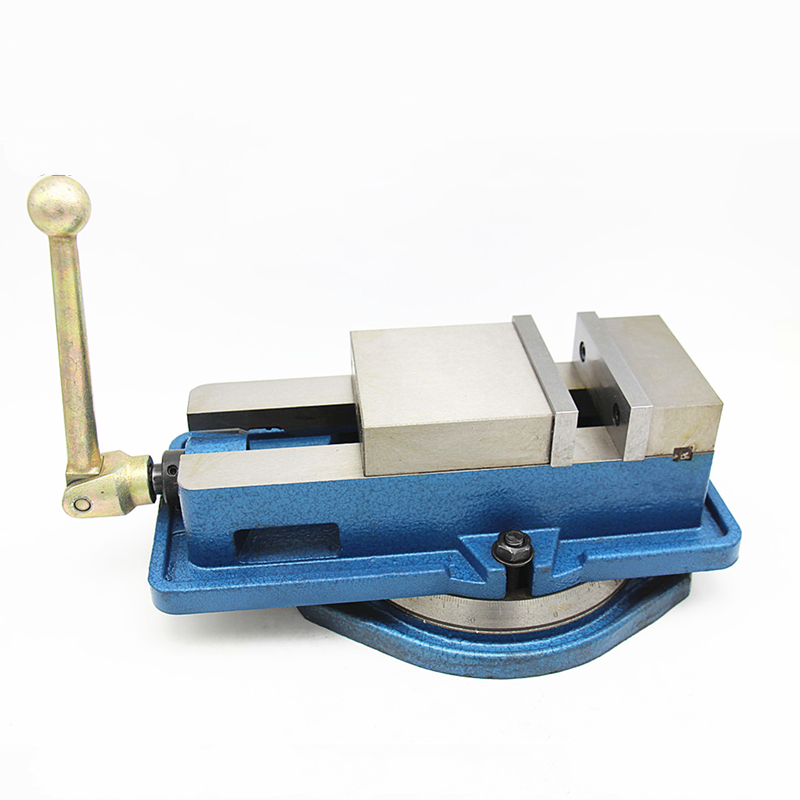
General milling vises are practical for everyday workshop clamping. Precision CNC vises are used when repeatability, jaw alignment and setup consistency matter more. Modular vises are useful for organized table layouts, paired setups and batch machining. Small bench or QGG style vises serve lighter work, inspection rooms or compact machines.
A large jaw width is not always better. A vise that is too large can reduce machine travel, waste table space and make part loading awkward. A vise that is too small may not hold the workpiece safely. For buyers using several vises side by side, bed height and fixed jaw alignment should be discussed before ordering.
Jaw choice also matters. Hard jaws are common for general holding. Soft jaws are useful when the shop machines the jaw to match a part shape. Spare jaws, handles, keys and jaw plates should be included in the RFQ when they are needed for resale or maintenance stock.
Choose clamping kits by T-slot and thread
TE-CO style industrial catalogs separate clamping kits by table T-slot size and stud size. This matches real workshop logic. The T-nut must fit the machine table first, and the stud thread must match the T-nut, nuts and clamps. If these two details are wrong, the kit becomes warehouse stock instead of a usable tool.
Common buyer language includes M10 clamping kit, M12 clamping kit, M16 clamping kit, 52-piece kit and 58-piece kit. Those names are useful starting points, but they are not enough. A 52-piece kit and a 58-piece kit can have different stud lengths, step block counts, clamp styles and holder boxes.
For distributor orders, metric and inch kits should be separated clearly. ZSCNC can help keep thread size, T-slot size and carton labels organized so warehouse receiving is easier.
Workholding quality is visible before shipment
Machine vises are heavy, so packing matters as much as the product photo. ZSCNC can check visible jaw condition, screw movement, handle condition, model label, surface finish, rust prevention, carton protection and whether stronger packing or a wooden case is needed.
For steel clamping kits, checks include visible finish, thread size, T-slot nut size, part count, missing pieces, rough thread, damaged rack, weak carton and label clarity. Small missing pieces are easy to overlook in a large kit, so organized packing is part of quality control.
For precision vise orders, the buyer should state accuracy expectations before quotation. A general workshop vise and a precision CNC vise should not be compared only by price.
Build a complete workholding order
A practical workholding order may include machine vises, steel clamping kits, parallel blocks, edge finders, drill chucks, drill chuck arbors, ER collets, CNC tool holders and tooling trolleys. Buying these together helps the importer compare landed cost, reduce supplier communication and avoid accessory mismatch.
ZSCNC's price advantage comes from grouping common CNC tooling accessories in one supply chain. The buyer can compare the whole order, not only one vise price or one clamping kit price. Our delivery advantage comes from repeat model lists and clear carton separation. Our quality advantage is practical checking before export: correct model, visible condition, quantity, matching accessories and packing.
OEM packing and distributor support
Workholding products are often sold through distributors, tool shops and industrial supply channels. Neutral packing, buyer labels, barcode labels, carton marks, pallet notes and repeat SKU records can be prepared when the buyer gives the requirement before shipment.
Heavy products should not be packed like light collets. Vises, clamping kits and tool carts may need stronger outer cartons, corner protection, palletizing or wooden case options. A slightly better packing plan can prevent damaged boxes and after-sales messages after arrival.
RFQ checklist for vises and clamping kits
- For machine vises: jaw width, jaw opening, vise height, base type, mounting slot, accuracy request and quantity.
- For matched vise use: bed height, pair matching, fixed jaw alignment and repeat setup requirement.
- For steel clamping kits: T-slot size, thread size, metric or inch system, piece count, stud length range and kit style.
- For workholding bundles: parallels, edge finders, drill chucks, clamping kits, vises and tool holder accessories.
- Packing request: neutral box, OEM label, carton mark, pallet, wooden case or buyer SKU.
- Target market, quantity by model and repeat-order plan.
Why source workholding accessories from ZSCNC
ZSCNC helps overseas buyers organize workholding products into a clear export order. We can quote machine vises, precision CNC vises, steel clamping kits, edge finders, drill chucks and related CNC accessories together.
Send your machine table details, product photos, old labels, quantity and packing request. ZSCNC will help confirm the model direction and quote cost-efficient options for export shipment.