

Updated July 7, 2026 by ZSCNC CNC Tooling Supply.
Start from the workholding job, not only jaw width
Jaw width is important, but it is not the whole model. The buyer should confirm machine type, workpiece size, jaw opening, vise height, base requirement and whether the vise is for general milling, precision grinding, CNC workholding or bench use.
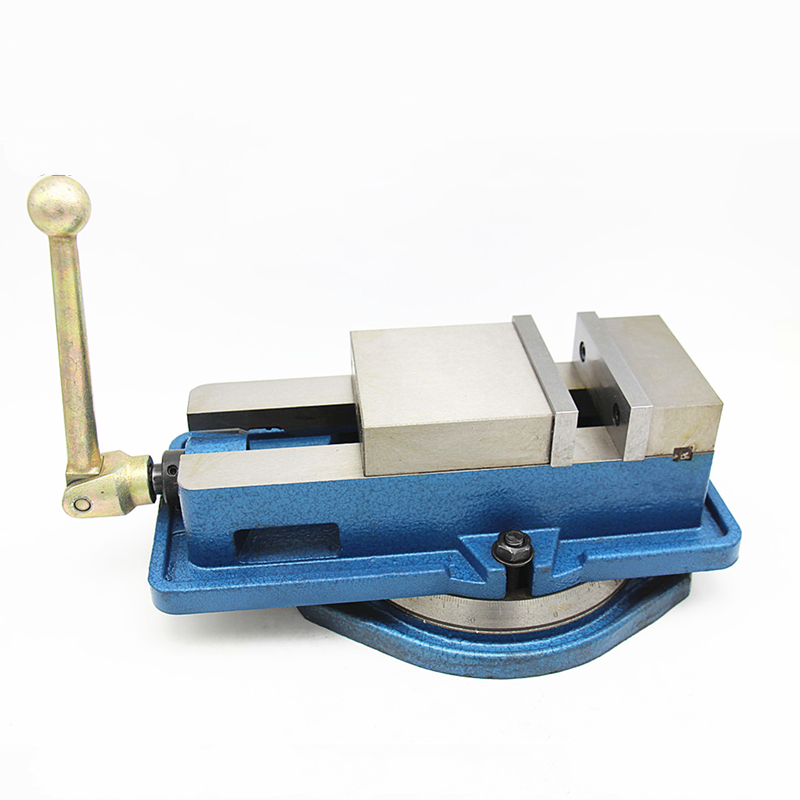
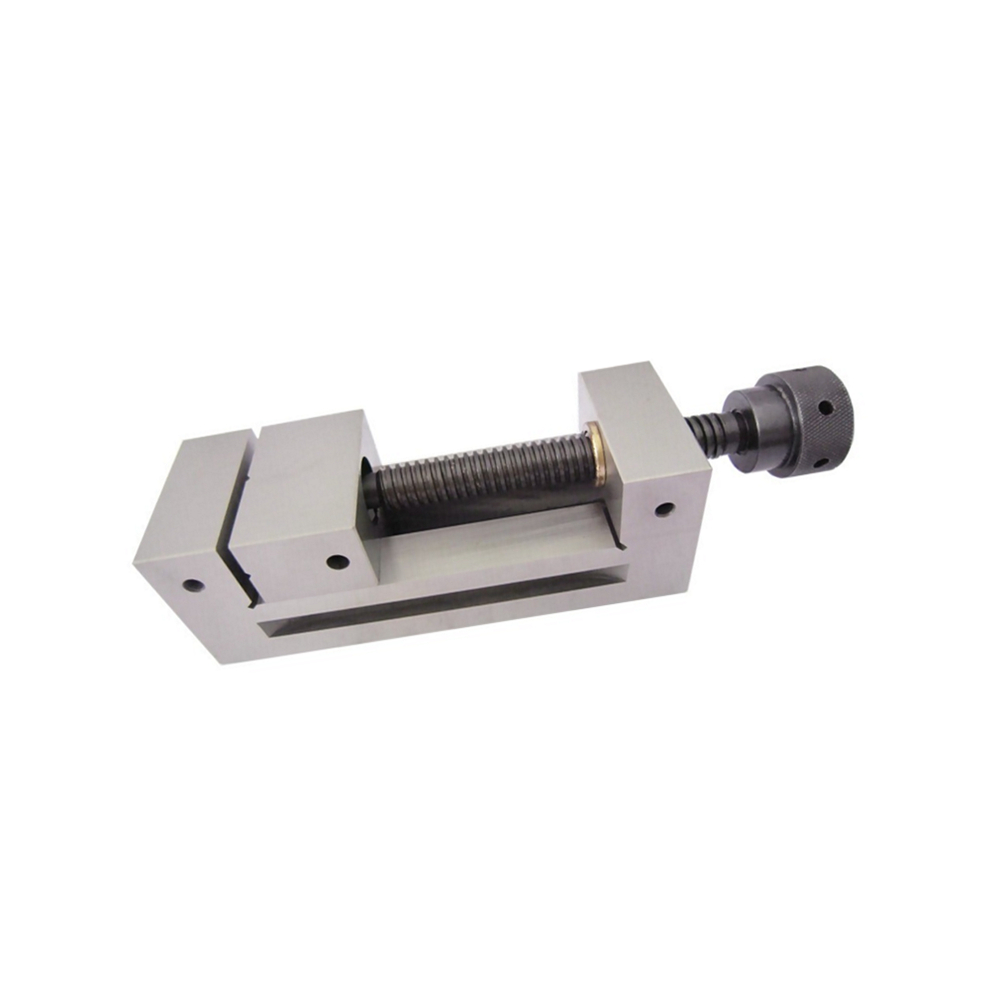
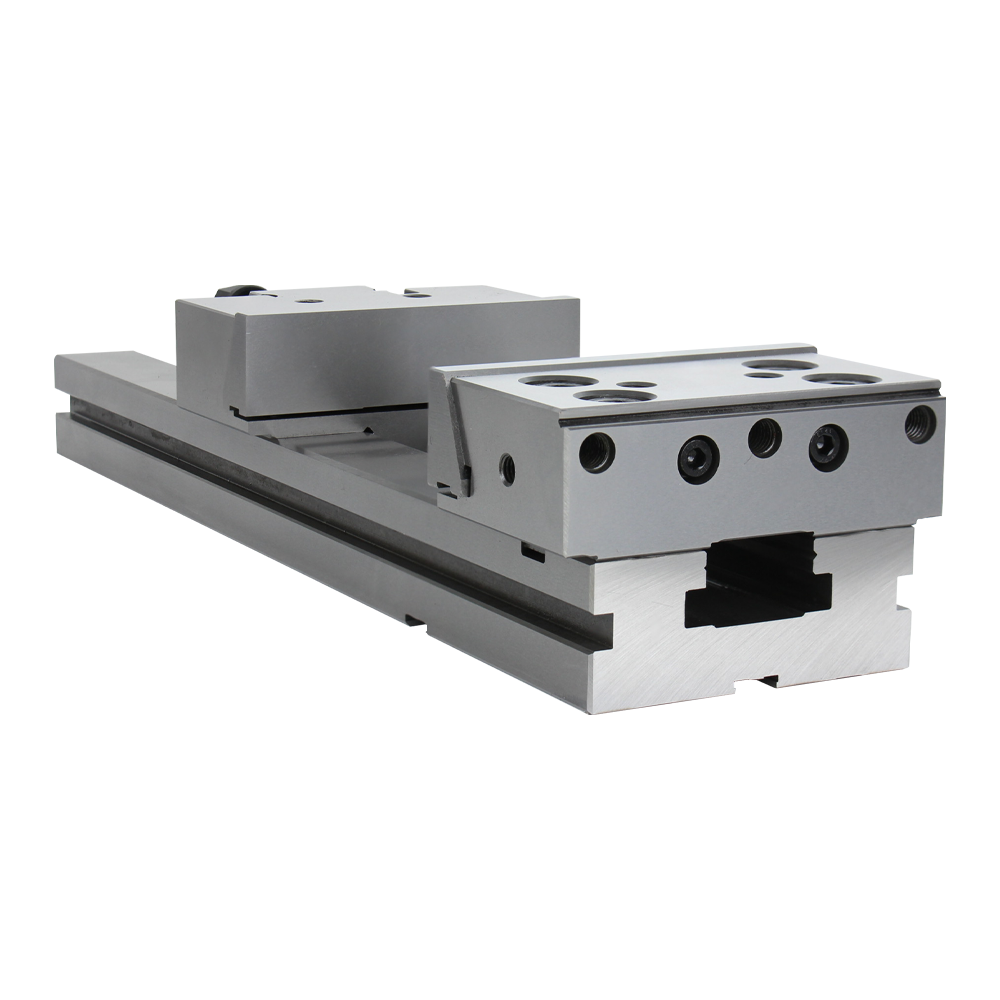
A small QGG style vise, a larger QM milling vise and a modular precision vise serve different workshop needs. Sending a photo of the machine table and old vise helps avoid quoting the wrong style.
For CNC machining centers, repeat setup is often more important than the largest possible jaw width. Buyers should tell us whether the vise is used for one-piece repair work, batch machining, soft jaw machining, side-by-side vise use or a distributor stock order. A vise that looks strong in a photo may still be wrong if the jaw opening, mounting distance or fixed jaw position does not match the machine.
Match vise size to machine travel and table space
A vise that is too small may not hold the part safely. A vise that is too large can waste table space, reduce travel and make setup harder. Buyers should compare jaw width, jaw opening, vise height, overall length and mounting slot position with the machine table.
For small CNC mills and drill presses, a compact precision vise may be better than a heavy milling vise. For larger milling machines, a stronger QM or similar milling vise may be more practical. The RFQ should include the machine type and table size when the buyer is unsure.
Table slot size matters as much as vise size. If the buyer also needs step blocks, T slot nuts or a steel clamping kit, the slot width and thread size should be confirmed together. This prevents the vise and clamping kit from arriving as two separate products that cannot be mounted together.
Choose vise type by accuracy and repeatability
General milling vises are practical for everyday workshop clamping. Precision vises and modular vises are used where alignment, repeatability and pair matching matter more. Bench vises are usually for lighter work and should not be confused with CNC precision vises.
If the buyer plans to use multiple vises on one table, matching dimensions and clamping height should be discussed before ordering. This is especially important for batch machining. Pair matching, fixed jaw alignment and bed height matter more when several vises hold parts in one setup.
Many professional workholding suppliers separate general milling vises from precision and modular systems for this reason. Fixed jaw position, bed height, parallelism, jaw lift control and repeat positioning all affect how quickly a shop can load the next part. For a distributor, it is useful to stock both practical workshop vises and higher accuracy CNC vise options instead of treating all vises as one item.
Clamping force, jaw condition and screw movement matter
Buyers often compare vises by size, but real use depends on clamping feel, screw movement, jaw quality and whether the moving jaw lifts under load. A vise for rough workshop clamping and a vise for precision CNC work should not be treated as the same product.
ZSCNC can check visible jaw condition, screw movement, surface finish, model marking and packing protection before shipment. If the buyer needs pair use, grinding accuracy or special jaw requirements, those details should be stated before quotation.
Jaw choice is also part of the order. Hard jaws suit many standard clamping jobs. Soft jaws are useful when the shop machines the jaw to fit a special part shape. Some buyers need extra jaw plates, handles or keys as replacement stock. These small accessories should be included in the RFQ because missing jaws or handles can delay use even when the vise itself is correct.
Quality checks and export packing
Machine vises are heavy, so ZSCNC can check visible finish, jaw movement, screw condition, jaw width, model label, packing protection and carton or wooden case needs before shipment.
For precision vise orders, the buyer should state accuracy expectations before quotation. A general workshop vise and a precision modular vise should not be compared only by price. Heavy vises need stronger packing, because a broken carton or damaged handle creates after-sales problems even when the vise itself is usable.
Our QC focus is practical for export orders: correct model, visible finish, jaw movement, handle condition, model label, quantity separation and impact protection. For heavier orders, reinforced carton, pallet or wooden case packing can be discussed. For repeat buyers, we can keep the packing preference and label style so later orders are easier to receive and resell.
Build a complete workholding order
Machine vises often ship with steel clamping kits, parallel blocks, edge finders, drill chuck accessories and CNC tool holders. Buyers can reduce sourcing time by sending the whole workholding list together.
ZSCNC can support price advantage through mixed supply, delivery advantage through clear model grouping, and quality advantage through pre-shipment visual and packing checks. OEM labels and neutral packing can be prepared for repeat buyers.
This is where a B2B order becomes easier than buying one vise at a time. A distributor can combine machine vises, steel clamping kits, parallels, edge finders, drill chucks, ER collets and tool holders in one shipment. The buyer gets clearer landed cost, fewer supplier conversations and better control of packing damage.
Product groups ZSCNC can quote
Milling machine vises
General workholding vises for milling machines, drill presses and machining centers.
Precision CNC vises
Higher accuracy vises for repeatable CNC setup, fixed jaw alignment and inspection-sensitive orders.
Modular vises
GT and related modular vise styles for organized table setup, batch machining and matched workholding.
Bench and small vises
Small workholding tools for workshop, maintenance, tool room and light clamping use.
Soft jaws and spare parts
Soft jaws, handles, keys and jaw plates for replacement stock and custom part holding.
Workholding accessory sets
Machine vises quoted with clamping kits, parallels, edge finders and setup tools.
Photos for RFQ matching
RFQ checklist
For a faster quotation, send these details when possible:
- Jaw width
- Jaw opening
- Vise type
- Vise height and overall length
- Machine table size
- T slot width or mounting slot details
- Base requirement
- Accuracy request
- Hard jaw, soft jaw or spare jaw need
- Single vise or matched pair use
- Quantity
- Packing method
- Matching clamping kit needed
Why buyers use ZSCNC
ZSCNC is useful for overseas buyers who want practical sourcing support, not only a product photo. We can help confirm common model direction, compare total purchasing cost, prepare quick quotations for mixed orders, check visible quality points before shipment and arrange neutral or OEM packing.
Our price advantage comes from organizing common CNC tooling accessories in one supply chain. Our delivery advantage comes from familiar model groups, repeat-order records and clearer packing separation. Our quality advantage comes from checking model, quantity, visible finish, matching accessories and packing before shipment.
FAQ
What information is needed for a machine vise RFQ?
Send jaw width, jaw opening, vise type, vise height, mounting slot or table size, accuracy request, jaw type, quantity and packing need.
Is a milling vise the same as a precision CNC vise?
No. A general milling vise may be suitable for daily workshop clamping, while a precision CNC vise usually needs better repeatability, jaw alignment, fixed height control and smoother screw movement.
Can vises ship with clamping kits?
Yes. Machine vises can be quoted with steel clamping kits, T slot nuts, parallels, edge finders, soft jaws and other workholding accessories.
Can ZSCNC arrange export packing for heavy vises?
Yes. Carton protection, reinforced packing, pallet or wooden case options can be discussed depending on vise size, weight, handle protection and shipment method.